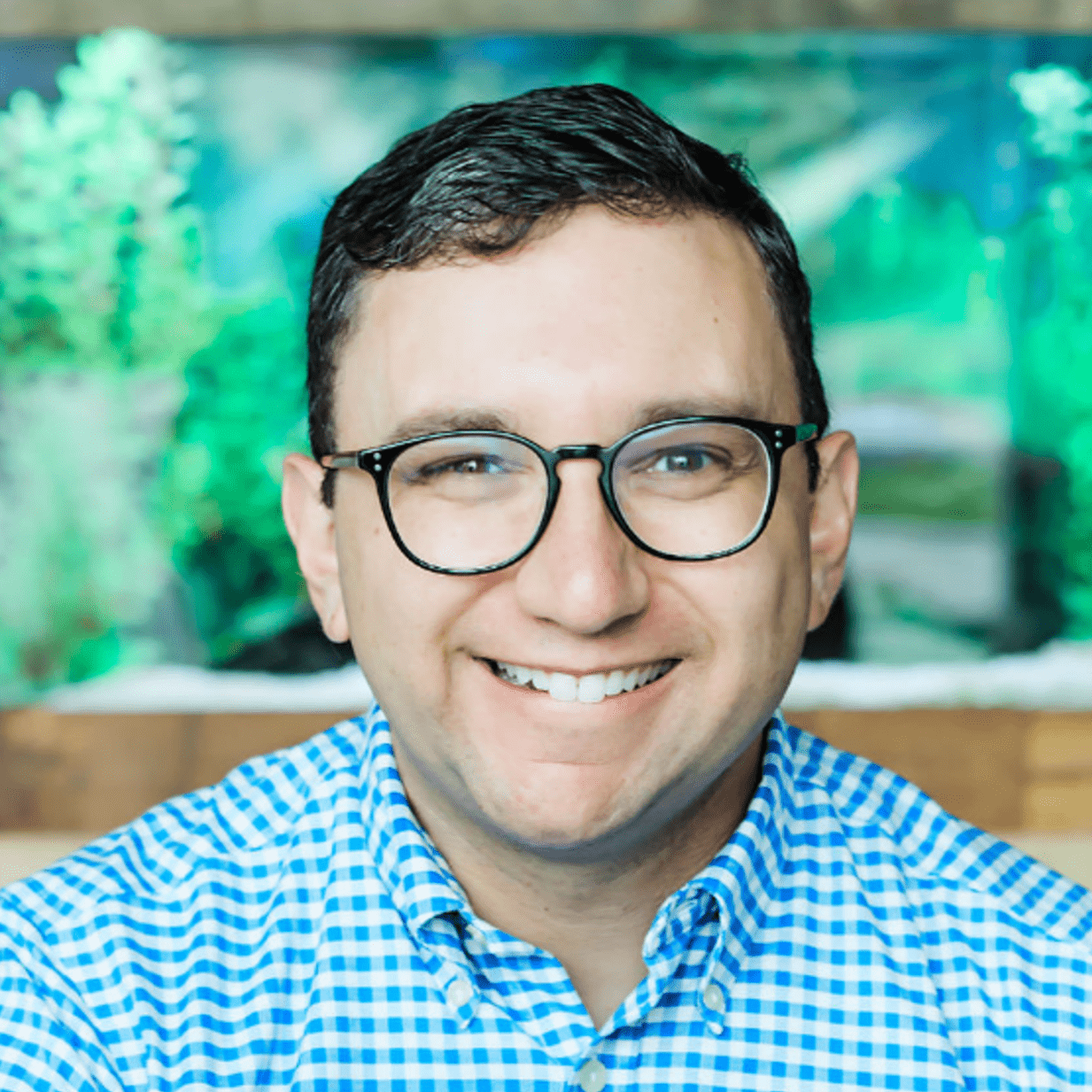
In today's episode, we hear how to develop a lucrative side gig as an expert witness. Peter Steinberg is a urologist who has developed a part-time expert witness practice over the past five years.  And, in this interview he explains how he did it.

OK, let’s get into today’s interview…

Enter Dr. Steinberg

Dr. Peter Steinberg is a board-certified urologist. He's also the director of endourology and kidney stone management at Beth Israel Deaconess Medical Center, one of the Harvard Medical School teaching hospitals. He graduated from the University of Pennsylvania School of Medicine. He then completed a urology residency at Dartmouth Hitchcock Medical Center, and an Endourology Fellowship at Montefiore Medical Center.

His interests include medical malpractice, expert witness, patient safety, communication in the operating room, and medical writing. He also enjoys consulting related to medications and devices, health care venture capital, angel investing and public speaking. Of interest to us, he has extensive experience as a urological expert witness. He has been a guest on several other podcasts, including “The White Coat Investor” and “Radical Personal Finance”.

This work seems like a really good way to augment your clinical practice. It's like the ultimate moonlighting. You can earn MORE on an hourly basis than working clinically.

You should recall that work as an expert witness allows you to create beneficial tax-favored retirement accounts. These include options such as a SEP-IRA or a Solo 401(k). I’m not an accountant, so don’t rely on my advice on retirement accounts. But check it out if you work as an independent contractor in this, or any other, capacity.

How to Become an Expert Witness

Here are some of the topics we talked about:

  • Resources provided by the American Urological Association, including a registry, and policies to apply when working as an expert witness.
  • Three big reasons Peter enjoys his work as an expert witness, with a full discussion of the income opportunities.
  • The three major duties of an expert witness, which include chart reviews, depositions and, rarely, testifying at trial.
  • Other resources for those wishing to pursue this career.

You can connect with Peter on LinkedIn – just search for Peter Steinberg MD.

Next week’s episode is still being selected, so don’t miss it. Thanks again for listening. I hope to see you next time on Physician NonClinical Careers. As always, I welcome your comments and feedback.

If you enjoyed today’s episode share it on Twitter and Facebook, and leave a review on iTunes.


Disclaimer:

How to Develop a Side Gig as an Expert Witness with Dr. Peter Steinberg

Jurica: Welcome to the podcast, the PNC Podcast. Dr. Peter Steinberg, thanks for joining us today.

Steinberg: Thanks so much for having me.

Jurica: There's a really interesting topic I've not spoken with anyone about this topic before, but I've been very interested in learning more about it. We're going to be talking today about how to build a career as an expert witness. I really appreciate you being here to talk about that.

Steinberg: You're very welcome.

Jurica: Now, the audience should know if they've listened to the intro that you're a urologist and endourologist and kidney stone specialist and so maybe you can talk about when you first got into the expert witness type practice and where did that fit in? Did that start during your fellowship or after you were out in practice for a while? How did you get into that?

Steinberg: Sure. It's actually something I started once I've been in practice for a couple of years, but it was something I was interested in for a couple of different reasons. Number one, I come from a family of lawyers. I think that being an attorney is the family business. My brother is an attorney. My father is an attorney. He's a practicing financial planner now actually, but trained as a lawyer and did that for the beginning of his career. I have a cousin who is a lawyer. I have another cousin who's a district attorney. I feel like half of my college friends became attorneys as well. I've been surrounded by people in the legal profession, none of them do medical malpractice or tort work, but the fundamental basis of legal related complaints is something I've been around literally my entire life. The other thing that was sort of transformative was while I was a resident towards the end of my residency, this was just a little over a decade ago, I was actually named in a lawsuit along with a bunch of other folks that ultimately ended up being dropped.

Steinberg: The plaintiff's expert witness was really not what I would consider an expert nor would anybody else in our field. He was really a professional witness. The American Urologic Association did some things to tamp down on that, not just because of this gentleman but because of that practice in general. Now I decided that since I am an expert in a subspecialty part of urology that this would be something that I was interested in doing as I gained enough experience to really become credible.

Jurica: Okay, that's great. Yeah, so you had a little bit of that exposure to the legal side of things in the family, but I'm assuming if someone in the audience wants to pursue this, they don't need to have a family member who's an attorney.

Steinberg: No, no, I certainly think it can be helpful, but that is by no means a prerequisite. This is stuff you can sort out pretty readily on your own and frankly, the attorneys you're working with, their job is to understand the law. Your job is to understand the medicine and translate that to the attorneys and to potentially jurors. You'll be guided, obviously any additional understanding you have make some parts easier and may allow you to construct arguments in a more direct manner, but it's by no means essential.

Jurica: Yeah, I didn't think so. I've always had an interest somewhat in the legal side of things, although it's more in the area of contract negotiation and contract review and things like that. Every once in a while I get some random recruitment letter or something looking for to maybe work as an expert witness or provide an opinion, but I don't know, it seemed like it was something that would take a little time and effort to learn about. How did you go about getting involved in being an expert witness?

Steinberg: For me as a urologist, actually the American Urologic Association made this very easy and I can't speak to other specialties, but I would be hard pressed to find another specialty that makes this easier on its members. I certainly hope other people replicate what they've done and if other people haven't, they should look to what the AUA has accomplished because it really is very good. They've got three sets of things that they do to make this work. Number one, they actually have guidelines that have been published and peer reviewed and repeatedly reviewed and endorsed by the American Urologic Association, but sort of give guidance to, you know, who should be an expert, how you should conduct yourself, how to conduct yourself ethically. It's a very helpful framework for how to become an expert witness and how to conduct yourself when you're doing it. Frankly, it's applicable to any specialty. Anyone who's listening can just literally go online and look up American Urologic Association expert witness guidelines and they're universal.

Steinberg: It has nothing to do with urology in particular. That's number one, they give you an ethical framework to work within. The second thing they do is they offer a course at our national meeting that's about a two or three hour course and they have a lot of other courses but they make it easy to go take this course at the national meeting. You hear from urologist, some of whom were attorneys, some of whom aren't. You hear from the insurance side of things and risk management and you hear from attorneys as to what are the basics of negligence and medical malpractice, what are the legal basics, what are your responsibilities as an expert and how to conduct yourself as an expert. They give you a course that gives you some very basic information and you really don't need much more didactic than that. I mean, there's a little more you can do and you can certainly take some other courses to work on some specifics, but you don't need weeks and weeks of training.

Steinberg: You need probably a concerted half day or day to understand the basics. Then finally, they actually have a registry that you can join as a member that can be searched by attorneys, which is often one of the reasons why a lot of people don't get discovered or how people end up with poor experts is they can't find good, competent, qualified experts. They have a registry that they allow their members to join and let attorneys search. There are other registries that exist for more generic types of experts, not just in medicine, but that's basically how I got going. It was made really easy for me by my subspecialty organization.

Jurica: Now, that's fantastic. Pretty much many surgical specialty for sure, but almost every specialty their members are going to be sued at some point. I mean, it's pretty much inevitable. I'd be surprised if there weren't other associations that are doing that, but I don't know offhand. I got to figure the OB-GYNs have got something going as well as the orthopedists for sure but hey, if we don't have something that our associations do, we can definitely look up the American Urologic Association and see what they're up to and learn from them so that's fantastic.

Steinberg: Absolutely. Anyone who's out there who's in organized medicine. If you don't have this, I would just copy and paste what they've done because I think it's really a service to all parties involved, frankly.

Jurica: Now you've started to get into this and maybe you can explain in a minute what your involvement is as now, but what did you like about it as you started to get involved?

Steinberg: One of the key things is this is an activity for practicing clinicians. This is not something that you can do if you're not really active clinically. What I started to notice was there was every single situation you know, obviously involves some type of adverse patient outcome and as a surgeon you're usually dealing with some type of adverse surgical outcome or failure to do something. There was always something to learn about improving my practice and the practice of others just in looking at the case and seeing what's alleged to have occurred, what were the facts, what was done, what wasn't done. I literally never looked at one of these cases and come away with nothing. I mean, every time I've learned something, that allows me to practice in a safer or better manner, and frankly, I would rather learn from somebody else's mistakes and sort these things out the hard way.

Steinberg: Really, that's the number one thing that I've taken away from this. Number two is it's really a very interesting intellectual exercise to look at what's happened, explain clinically what's transpired. Try to describe what the standard of care is, which is a phrase that's used all the time in negligence claims and try to figure out if what was done was a standard or not. Then in interfacing with the attorneys, try to sort out did someone commit negligence or not. It's really from an intellectual standpoint, it's very different from what you do on a daily basis as a physician and different than administrative physician types of work. It's a completely different way of thinking about problems. It's really, really an interesting intellectual exercise. Then obviously, compensation for this in terms of any of the side hustles I've done, this is certainly the most heavily compensated activity that I've come across other than just practicing. Obviously that's a good, good perk along with points one and two.

Jurica: You know, I talked to a lot of physicians who are looking for side gigs or a new career. As you said, probably not something where it would become a full-time career as you said, but if they're still interested in clinical and they're doing this, it sounds like this is one word, they'll at least have an income from the time spent that would be equivalent to their clinical in most cases, maybe even a little bit more.

Steinberg: Yeah. The reality is, is that when you're dealing with medical malpractice claims, the plaintiffs are paying the experts out of funds they've gotten from prior settlements. As you may or may not know, they generally tend to settle most cases or try cases where they're likely to get a favorable verdict and these are on the average in the hundreds of thousands of dollars. In urology, the average settlement is somewhere in the $300,000 range, so they're paying you out of that pool of funds. On the defense side, you're dealing with medical malpractice insurers who have obviously a lot in terms of premium dollars. You're dealing with people who have a large pool of funds to compensate you for your time and they realize that your time is very valuable, especially if you need to be deposed or travel to a trial and take a day or half a day off of work. It ends up being well-compensated as a result of that.

Jurica: I think in the few times I've been asked to give an opinion, I had no idea what to charge and I basically kind of figured what I was making in the office and doubled it and they didn't bat an eye. It's like there was no negotiation at all.

Steinberg: Yeah, I think the reality is, is that, you know when I first started doing this, I can't remember exactly who I was speaking with, but I'd gotten a couple of side opinions about what to charge. The first number that I got, which actually was for my father. I was told it was the rate that most expert nurses charge. I up that and you can get a general sense from talking to other people out there what's reasonable and there are also published ranges for experts that different consortium put together. You can get an idea, but certainly, this is compensated at a higher rate than just doing your job. For that reason, that is why people don't like folks to become, "professional witnesses," and just testify. I mean, you could theoretically stop practicing and just do this, but I think that that is looked on unfavorably.

Jurica: Yeah. It would seem to me that you'd want to at least demonstrate that you're still taking care of patients and would have a practical understanding of, like you said, the current standard of practice.

Steinberg: Absolutely.

Jurica: All right. Why don't you get into a little bit about what you actually do as an expert witness. I mean, to me, there might be two or three major activities, but I could be wrong, so I'll just let you run with that.

Steinberg: Sure. Basically, the way this plays out, the timeframe for this is usually for most cases you're dealing with a period of generally a year or two most of the time. You've got a couple of possibilities. Sometimes you'll be engaged as an expert to look at a case before a lawsuit is actually been filed. Sometimes either a plaintiff's attorney will come to you or potentially a medical malpractice insurer or a risk manager will come to you and say, "You know, there's been this adverse outcome. Will you take a look at this? Do you think that this likely the standard of care was breached and this was negligent? Can we have a case?" Usually there you're going to be reviewing a chart, which obviously most of us are used to doing and can do pretty quickly and sort out what you need to find, and that's going to be an activity that's going to take one, two, three hours at most. You may or may not generate a report or you may just talk to the attorneys informally on the phone.

Steinberg: That's going to be a pretty quick activity. Likewise, if a lawsuit has already been filed, initially reviewing the chart is going to be an activity which is most of what you're going to be doing frankly. The majority of the time you're just going to look at something that either doesn't go anywhere, gets dropped, gets resolved or people don't pursue. If a suit has been filed, likewise either side that you're dealing with will come to you, give you the chart, and then you'll either have to generate a written report. This will vary state by state and this is just the word to the wise. You want to get, take the lead from the attorney and the state you're working with as to what are the rules about what can be discovered. You may have an email or read a report in some states. They may not want you to generate a paper trail until they say so. The lawyer that you're dealing with will obviously know the rules in the state that the suit is in.

Steinberg: Most of the time this will not be a state that you live in because of conflicts of interest unless you're in a big state. That's most of the time what you'll do is review the chart. It takes a few hours, and then you'll generate a written or discuss the case with the lawyer. Then you may not hear anything for several months or there've been a couple times I haven't heard anything for almost a year. The next phase and along the line the lawyer may contact you, have new files, things that come up in discovery, ask for your opinion to sort of update things. Often you're talking about a half an hour or an hour on the phone every now and then or reviewing half an hour, an hour's worth of records. Sometimes they'll have you search the literature or pull things out of textbooks, but usually you're not talking about a huge commitment of time in a concentrated fashion after the initial suit is filed and some initial things are done.

Steinberg: If things go further in the process. Suit has been filed, it hasn't been settled or dropped. You're heading towards potentially going to trial. What will then ultimately happen is the attorneys will take what are called depositions. This is going to happen more often than going to trial, but much less often than you're going to review a chart. A deposition is basically, if you consider it the civil law version of being interviewed by the police it's kind of the same concept. What will happen is the opposing side is going to depose you, which means you're sworn under oath in front of a court reporter. Sometimes this is on the phone, sometimes it's done via video, sometimes everyone is in a conference room. In my experience, attorneys from out of state will usually travel to you for both sides to do this, but sometimes they do it over the phone. This will take anywhere from an hour to half a day, sometimes a little bit longer, but usually not much longer than two or three or four hours. What will happen is the opposing attorney will go through a series of questions and ask you basic things.

Steinberg: Who are you? What's your training? What are your credentials? Trying to show whether or not you're qualified to be an expert. Then get into the specifics of the case and ask your opinions. The attorney that you are working with is usually sitting there. They'll sometimes object or not. There are a lot of things related to legal procedure that will happen. It can be a little bit nerve wracking at first, but as opposed to everything medical where you want to show everyone how smart you are and run your mouth. When you're doing a deposition and this goes if you are actually sued or if you're an expert witness, you want to wait until you're spoken to. Think about what you were asked and give the shortest answer humanly possible to answer people. They like, yes, no, I don't know, I don't remember and let me see the chart, are the five answers that lawyers like the most. You want to keep it basic and you'll go through the whole sort of case and lay out your opinion. Then at some point that will conclude and you'll get to review the transcript of that later for accuracy.

Jurica: Let me jump in one quick minute here. Just give us those five answers again, not that that's going to be the only answer, but I think it helps.

Steinberg: Absolutely. This is if you're sued especially. Yes, no, I don't know, I don't remember, and can I review the chart. Those are, especially defense attorneys, those are their five favorite answers to questions in a deposition. Obviously as an expert, you're going to be asked to provide more expansive answers than you would if you yourself are being sued, but in general, this is one of these areas where you want to understand what was asked. A lot of times lawyers will ask things in a very confusing manner. Double negatives. They'll ask things in reverse order from how you would ask it normally. If you're ever confused, and certainly this goes as an expert because you want your testimony to be credible, you need to understand what you were asked and answer it truthfully and in the shortest manner possible. Certainly if you've been sued likewise, you don't want to open up areas that you're not being asked about that can then be further probed, where you could impeach yourself or what not. It's very different than in medicine where it's, "Okay, tell me about pancreatitis." You want to tell them everything you've ever known. This is completely the opposite. You just want to give exactly what's being asked.

Jurica: Sounds like what I advised directors to do during an accreditation survey. Just answer the questions, don't volunteer anything.

Steinberg: Absolutely. It's absolutely the same and likewise, this goes for any written reports you're generating which obviously anything that's written is going to end up going through a specific court procedure. The lawyers are going to edit this, but you don't want to write things that are more expansive than what's being asked. You want to keep things really pithy and to the point. Those are the two primary activities, reviewing charts and then being deposed. Again, a deposition usually is something that I budget about a half day to not be doing clinical activity for. They generally don't go longer than that. Again, these attorneys are extremely respectful of your time. I mean, they understand that, they know you're busy and they show that by keeping to a schedule and by compensating you for that. Then lastly is going to trial, which frankly is the rarest activity when it comes to this, just because the overwhelming majority of lawsuits, no number one, the majority are dropped.

Steinberg: Ultimately, it's not something that's meritorious and doesn't even go to a settlement against anyone where money changes hands, or there's a settlement that negotiated. The majority of malpractice actions do not end up going to trial. Those that clearly appear to be negligent or likely are negligent usually gets settled. A small percentage do end up going to trial, and as an expert witness, you would be called to testify at trial. Most of the time you would be traveling to the location where the trial is being held. Obviously your travel expenses are covered by whichever side you're dealing with and that's something that most of the time, most people budget a day for their testimony. It is rare that you would need more testimony than that, that would be something pretty complicated. Given that, experts are often coming from out of town. Attorneys are very respectful of your time. They try to schedule this in a way, they've got their trial laid out in the order they want to do it, they're going to put you on at a certain time and most of the time that can be done in about a half day of actual testimony, but usually budgeting a full day is what's required.

Jurica: Okay, excellent. Just to talk a little bit about the demeanor and so forth. Is there a certain type of personality or a certain type of person who you think would do best in this field? Particularly as they're being questioned. I mean, I can think of colleagues of mine I don't think would stand up well. I don't know what's your opinion on the type of person who would just be the best for this kind of job.

Steinberg: Well, I think that if you're interested in doing this, you can definitely learn these skills. I mean, this is not something that's untrainable. I mean, I'm a surgeon, I chew hard candy. I have a lot of knee-jerk reactions to a lot of things, but I've been able to successfully do this by having gotten good training from the attorneys I've worked with and just really listening to what they're saying. If you just boil it down to can you listen to what someone asks you and then answer that person's question candidly. If you're able to do that, I think you'd do okay. Obviously, people who are a little bit calmer and more reflective and not as knee-jerk in all their responses, I think you're going to have a little bit of an advantage. I think that's just the key thing to keep in mind. Now, if you're completely uncoachable or you can't do that or you can't stand listening to people talk and hear what they have to say until they're done speaking, you're not going to do well doing this.

Steinberg: If you're the kind of person who's going to consistently interrupt attorneys, it's not going to go well. Frankly, the lawyers you're working for aren't going to like you as a witness and they're not going to want to work with you. The people who do best for this are people who are going to be good at just sitting there hearing what was said, thinking about it, answering it concisely. They're going to do the best. But it's definitely coachable. I mean, if people can learn to become surgeons, you can learn to do this.

Jurica: Yeah, I was involved in different types of deposition, sometimes relating to department family services or whatever. A couple of lawsuits that were dropped but definitely your own attorney that you're working with is going to give you some coaching from what I recollect.

Steinberg: Absolutely. Well, keep in mind, I mean, they're representing your interest. As an expert, you're assisting them, but they want a favorable outcome for their client and they're not going to let you derail that.

Jurica: Well, I'm thinking if they know you're a novice, they're going to take a little extra time, say, "Okay, have you been deposed before? How many times? Okay. Well, let's just go over a few things in terms of your demeanor," like you said, wait to the question, make sure you understand the question. Don't answer a question that really you're not really sure what they said because you're right. A lot of double negatives and very long sentences with a lot of commas and it's not always as clear as you would hope.

Steinberg: It isn't, and the reality is if you ask them, "I'm sorry I didn't understand your question. Can you repeat that?" Most of the time they go onto something else. I mean, usually that's not actually an avenue they're pursuing. They're just fishing.

Jurica: I see. That's good advice.

Steinberg: You say, "I'm sorry, I didn't understand that." They'll go to something else usually.

Jurica: Yeah. They were trying to maybe to, like you say, get you to bite on something that they knew probably wasn't going to happen.

Steinberg: Absolutely.

Jurica: Well, let's see. You're going to continue to do this, do you see it as a certain percentage of your time and relative to your practice or where do you see things going for yourself?

Steinberg: Well, I think the reality is, is that as a full time clinician and I don't have any particular plans on changing that anytime soon. I mean, I'm at the beginning part of my career. I think that what I've seen happen is as I've gotten more experienced, I've been doing this I'd say about five years at this point. Initially I was getting cases that had clearly been reviewed by other people and weren't going anywhere with fairly desperate plaintiff's attorneys for the most part. You're telling them, look, you don't have a case here. As time has gone on, I'm starting to do a little bit more defense work. Then initially number one, but number two, I think the cases that I'm starting to see more frequently are more substantive. It is more likely there was something negligent or that's being heavily debated and heading towards deposition and trial. I think that I'm doing activities where things are sort of being strung along for a longer period of time because they're going further in the process.

Steinberg: I think that if you end up doing more, maybe even fewer cases, but they're going to deposition and trial. I think as a side hustle, that becomes more lucrative than just reviewing a lot of cases initially looking at the chart collecting your retainer and then that's the end of the whole encounter. That's sort of how I see it going and frankly, within urology, kidney stones are one of the most litigated areas that exists. I mean there are a limit to the number of existing cases that occur. There are conflicts of interest that come up where you can't review a case. I mean, we're a relatively small specialty, so there's an upward cap in a specialty like mine on what you can do. Certainly feels like internal medicine, OB-GYN, where there's much more litigation. I think that's a different situation, but if you're in a relatively small field, I think there's a natural limit to the amount of this you can do frankly.

Jurica: All right. If you can carve out a few hours for the reviews and then a day here and there if you end up being deposed and that definitely is worthwhile. It's intellectually stimulating. You can make a little extra money and keep things kind of interesting at times than just doing clinical work.

Steinberg: This isn't the kind of thing where you need to say, all right, I'm going six weeks out of the year I'm going to, unless you're doing something really intense, I'm going to have to be dealing ... This is the kind of thing where half day a few times a year you may need to be deposed. Occasionally, you may need to go to a trial and then nights and weekends you can review cases as they come in.

Jurica: All right, well I think we're getting to the end here. I just want to make sure that we didn't skip over any other resources. I mean, you talked about how we could get into this and we can learn through the AUA if we need to, or our own associations. Are there any other resources you would recommend for listeners to check out?

Steinberg: I would, there's actually, there's a national organization which is called SEAK, sierra, echo, alpha, kilo, seak.com, which is a nationwide continuing education group for expert witnesses not only in medicine but in other fields. Industrial things, engineering, et cetera, et cetera. They have a very good website. They have a variety of publications, videos. They have courses on becoming an expert, writing reports, testifying, giving depositions, and they actually also have a registry that you can join. You have to pay a few hundred dollars to join it, but it is potentially a way to get yourself exposure if you don't have that through some other avenue like an expert witness registry within your field. That's a pretty well-known national organization that can get you both education and potentially some publicity for doing these activities. Certainly, other things like your local bar association, your state may have a tort claims group.

Steinberg: They may have insurance related organizations that would have medical malpractice, insurance providers and attorneys. Your hospital risk management team might be able to get you in touch with some folks. Certainly, if you've ever been sued, the lawyers that you interfaced with maybe able to use you. Frankly, the folks who defended me, I've done cases for them as a defense expert since I got into practice just because I knew them from that experience over a decade ago. There are variety of different avenues that you could explore like those to try to get involved.

Jurica: Okay, great. That's very helpful. I think the SEAK might have live courses as well as maybe a book or two and online courses.

Steinberg: They do, I believe they offer them. It looks like Cape Cod and down in the Florida area, if I remember correctly are usually where they have most of their conferences which are usually a two day affair from what I can tell.

Jurica: I'll definitely include links in the show notes to all the things you've mentioned and I think the listeners will find that very helpful. Why don't you tell us how we can find you if, if you'd like to be found. For anything, I mean, I think some other things which I included in the intro, but yeah, do you have a LinkedIn profile or an email or website? Anything you'd like to share with us?

Steinberg: Sure. I'm on LinkedIn. I'm pretty easy to find, Peter Steinberg, MD is my LinkedIn. The end of the LinkedIn.com URL, so petersteinbergmd. If you look me up, there is another Peter Steinberg who's a radiologist. That's not me. There are a couple. There's a literary agent with the same name, he's pretty famous, but that's the easiest place to find me for anything that's sort of professional related and not direct patient care. Certainly, if you have anyone in the Boston area who needs kidney stone care, we're easy to find. You can just look me up on the Beth Israel Deaconess Medical Center website and find all of our office contact information there if you have a clinical concern.

Jurica: That'll be awesome. Then we'll know too when they're taking care of our patients, you'll probably be the least likely to be sued.

Steinberg: God, I hope so.

Jurica: Given your expertise. Right?

Steinberg: I sure try.

Jurica: As with you so that's good. All right Peter, this has been very, very helpful. I'm sure that the listeners are going to love hearing this information if they've had any inkling of going into this kind of field at least part-time, like you said. I really appreciate all the information you've provided us today.

Steinberg: You're very welcome. It was great to be here.

Jurica: All right then with that, I will say goodbye.

The opinions expressed herein are those of me, and my guest where applicable. And, while the information published in written and audio form on the podcast are true and accurate to the best of my knowledge, there is no express or implied guarantee that using the methods discussed herein will lead to success in your career, life or business.

The opinions are my own, and my guest's, and not those of any organization(s) that I'm a member of, or affiliated with. The information presented on this blog and related podcast is for entertainment and/or informational purposes only. They should not be construed as advice, such a medical, legal, tax, emotional or other types of advice.

If you take action on any information provided on the blog or podcast, it is at your own risk. Always consult a professional, e.g., attorney, accountant, career counsellor, etc., before making any major decisions related to the subject matter of the blog and podcast.


Right click here and “Save As” to download this podcast episode to your computer.

The easiest ways to listen:  vitalpe.net/itunes or vitalpe.net/stitcher